
 by in
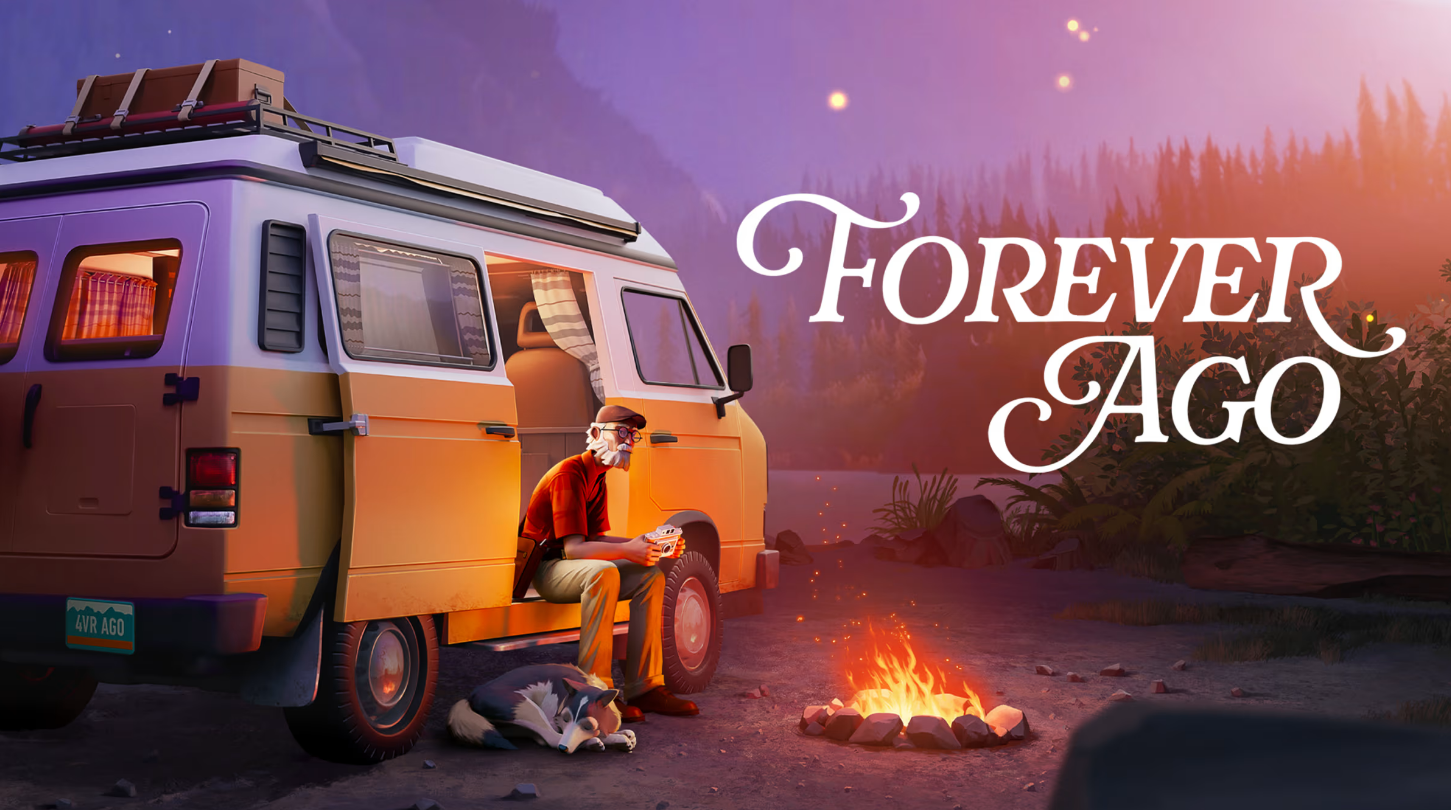
Forever Ago – A Beautiful, Emotional Journey That Stays With You
Rating: 5/5 ⭐⭐⭐⭐⭐
Every once in a while, a game comes along that reminds you why video games are so much more than just entertainment. They’re an opportunity to experience someone else’s story, connect with characters, explore emotions, and sometimes even reflect on your own life. Forever Ago is one of those games, and I can genuinely say that I loved every moment of the experience.
Going into this game, I expected an interesting story with some emotional moments along the way. What I didn’t expect was just how deeply it would pull me in, how much I would grow attached to the journey, or how often I would find myself sitting there thinking about the bigger picture of life itself.
Forever Ago is an emotional roller coaster in the best possible way. It’s filled with hope, happiness, desperation, determination, anger, sadness, and the overwhelming desire to keep moving forward, even when life gives you every reason to stop. But underneath all those emotions is something much more meaningful: a story about rediscovering yourself when the world you once knew no longer feels the same.
 A Story That Feels Incredibly Human
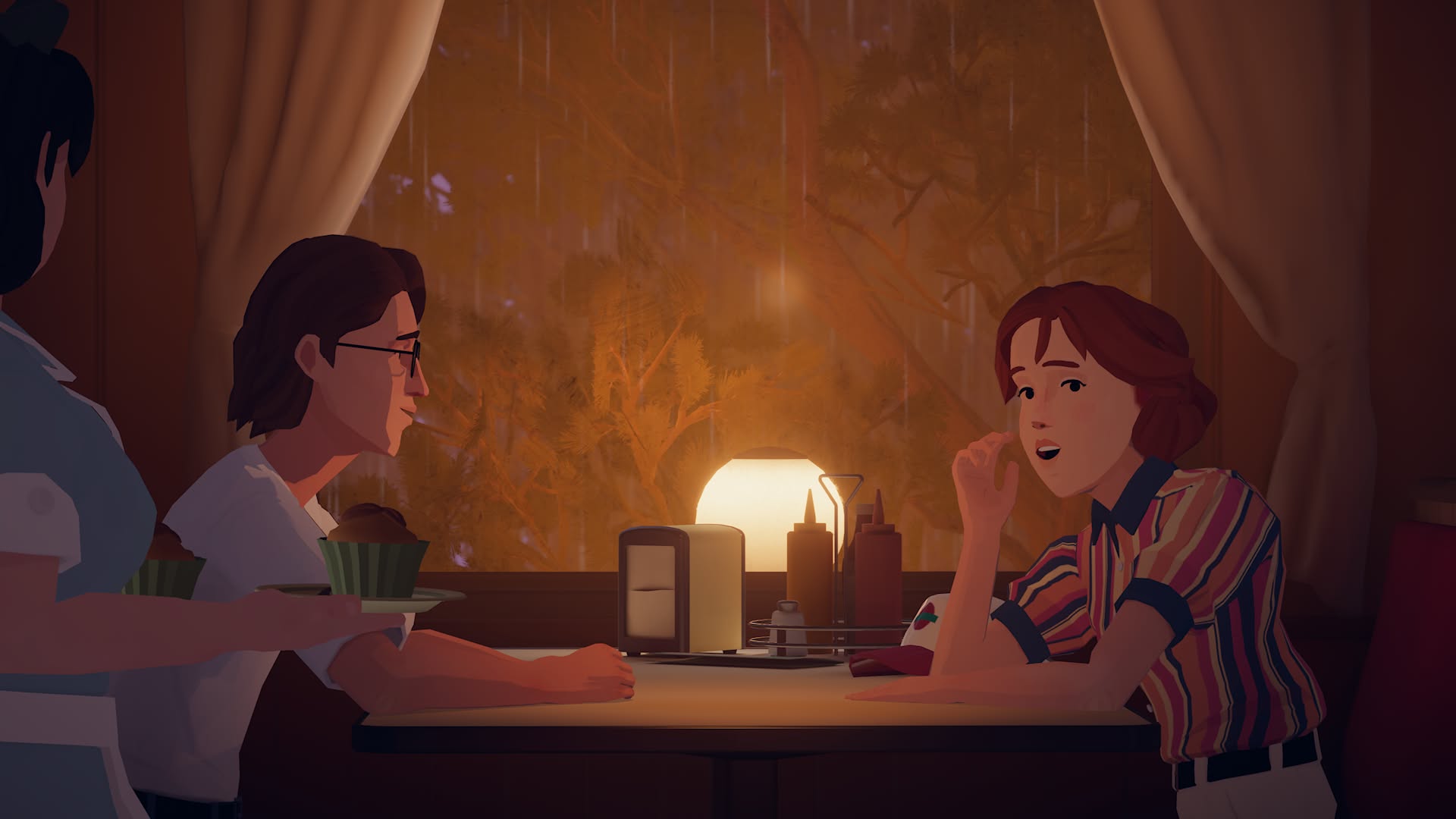
One of the things I appreciated most about Forever Ago is how grounded its storytelling feels. It doesn’t need constant action, explosions, or some massive world-ending threat to keep you invested. Instead, it focuses on something far more relatable: the human experience.
Life isn’t always fair. Sometimes things happen that completely change the direction we thought our lives were heading. We experience loss, disappointment, frustration, and moments where it feels like everything we’ve worked toward has been taken away. Sometimes we become so consumed by what we’ve lost that we forget there’s still an entire world waiting for us.
That’s where this game really shines.
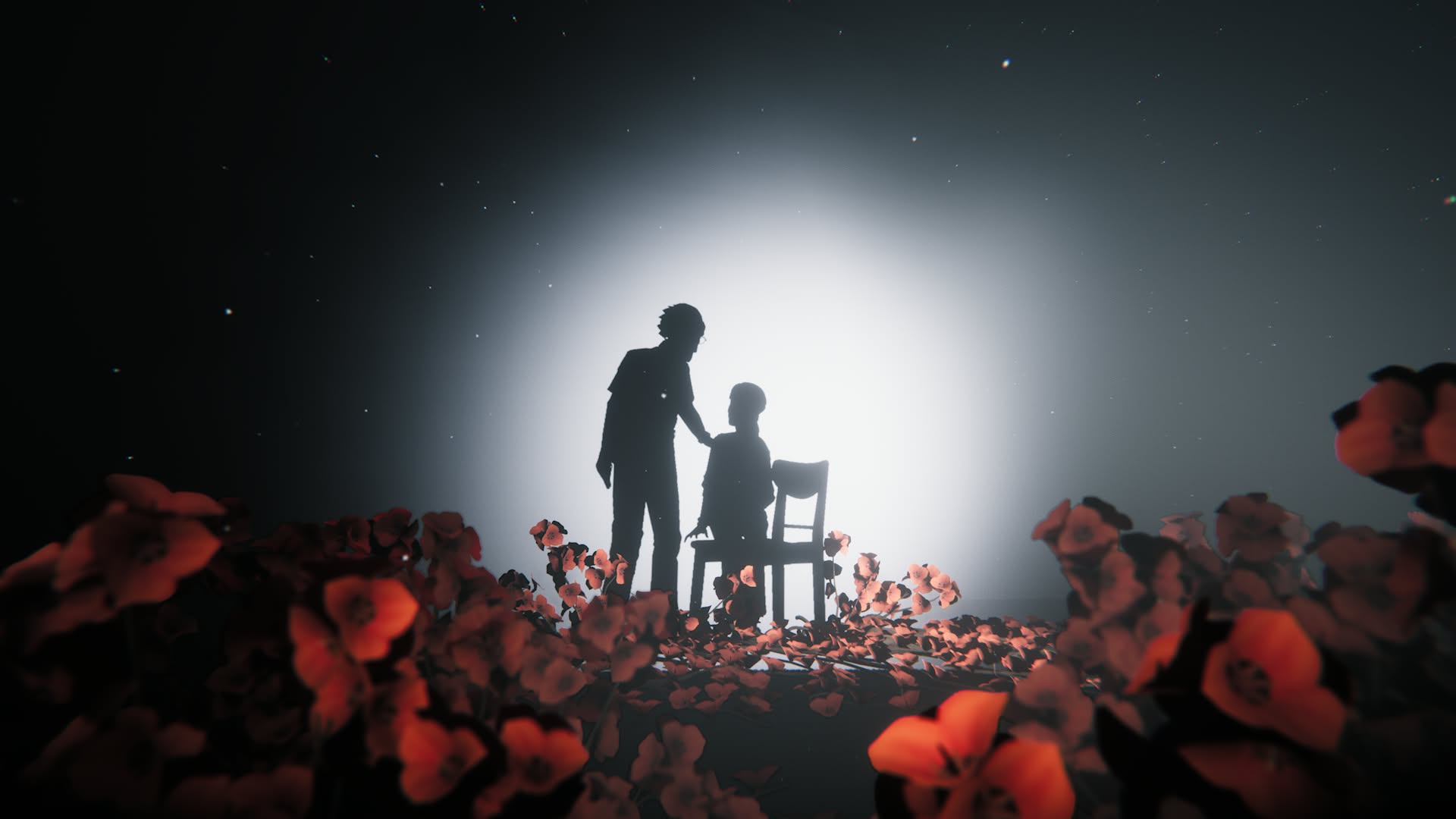
It explores the difficult process of coming to terms with the past while trying to find a reason to embrace the future. There are moments of genuine happiness and warmth, followed by moments that make you feel the weight of loneliness, regret, and uncertainty.
What makes those moments so powerful is that they never feel completely out of place. They feel like life.
You can be having a wonderful day, laughing with someone, enjoying the scenery, or appreciating something incredibly simple, and suddenly a memory or thought can change your entire mood. Forever Ago understands that emotional complexity and handles it beautifully.
The Emotional Roller Coaster
I don’t think there’s one single emotion that defines this game, and that’s part of what makes it special.
There are moments of hope, where you genuinely believe things can get better. Moments of happiness, where the simplest interactions bring a smile to your face. Moments of desperation, where you can almost feel the emotional exhaustion of trying to figure out what comes next.
And then there’s anger.
Not necessarily the kind of anger that comes from confrontation, but the kind that comes from feeling helpless. The frustration of not being able to change the past. The anger that comes from circumstances beyond your control, from unanswered questions, and from realizing that sometimes life simply doesn’t provide the closure we desperately want.
But what I loved most was the underlying sense of fight and willpower.
Even when everything feels hopeless, there’s something incredibly powerful about choosing to continue. Getting up, putting one foot in front of the other, and allowing yourself to experience life again takes more strength than people sometimes realize.
The game captures that struggle in a way that feels sincere rather than forced.
It doesn’t pretend that healing happens overnight or that meeting someone new suddenly fixes everything. Instead, it reminds you that finding yourself again is a process. Sometimes that process is messy, uncomfortable, and painful, but it can also lead to some of the most meaningful experiences of your life.
 The People You Meet Along the Way
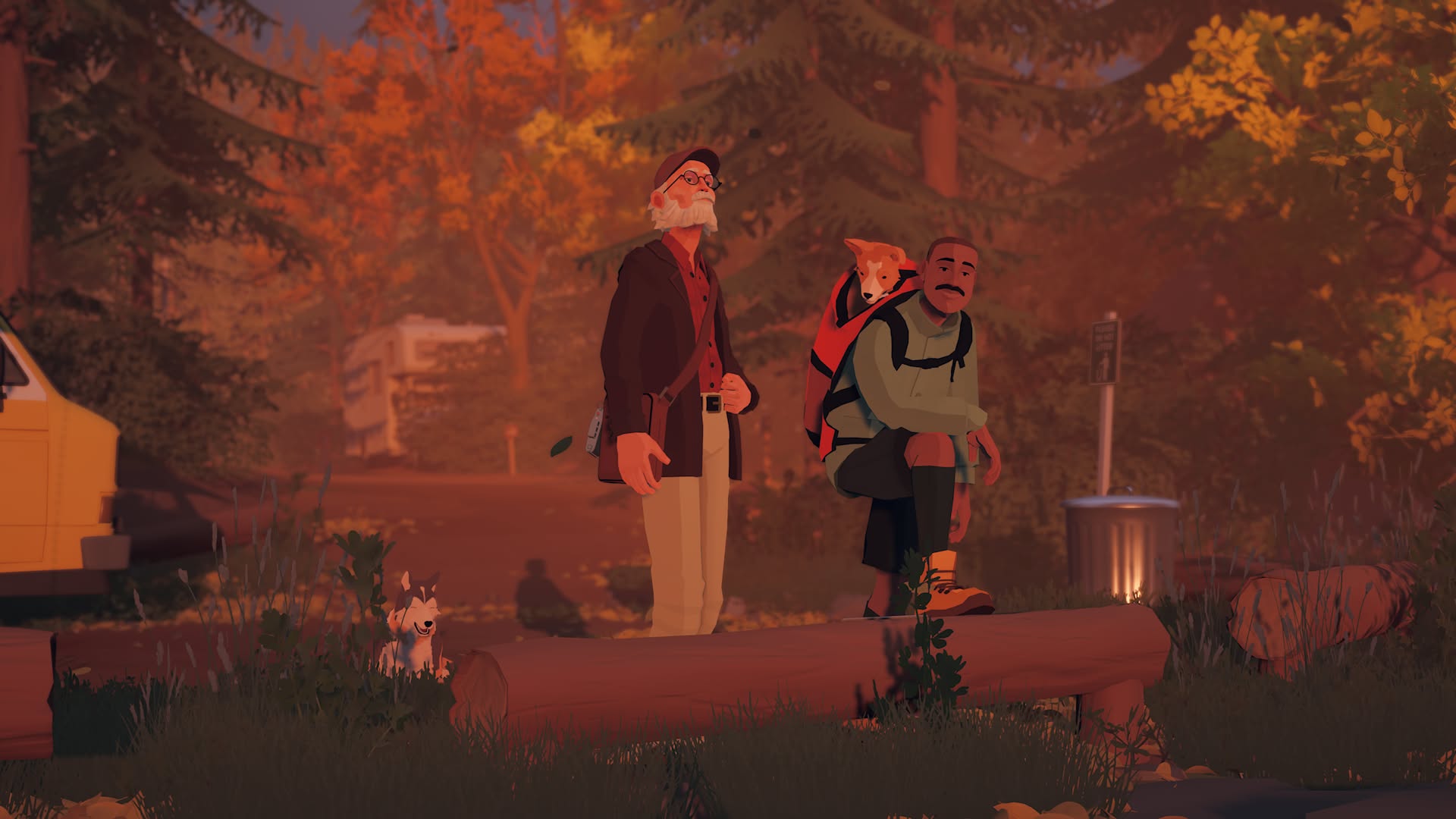
Another aspect I absolutely loved was the importance of the people you encounter throughout the journey.
It’s easy to underestimate how much a simple interaction can mean to someone. A conversation with a stranger, an unexpected act of kindness, a shared laugh, or even a brief moment of understanding can have a lasting impact.
Forever Ago does a wonderful job of making those encounters feel meaningful.
The people you meet aren’t just there to fill space or give you something to do. They help reinforce the idea that everyone has their own story, their own struggles, and their own reasons for being where they are.
Sometimes we become so wrapped up in our own problems that we forget other people are fighting battles we know absolutely nothing about.
I appreciated how the game encourages you to slow down, listen, and appreciate those interactions. Not every meaningful relationship needs to last forever. Sometimes people enter our lives for a short period and still leave an impression that stays with us for years.
There’s something beautiful about that.
It also serves as a reminder that even when we feel completely alone, human connection can be found in the most unexpected places.
 A Beautiful World That Encourages You to Slow Down
Visually, I absolutely loved the artistic direction.
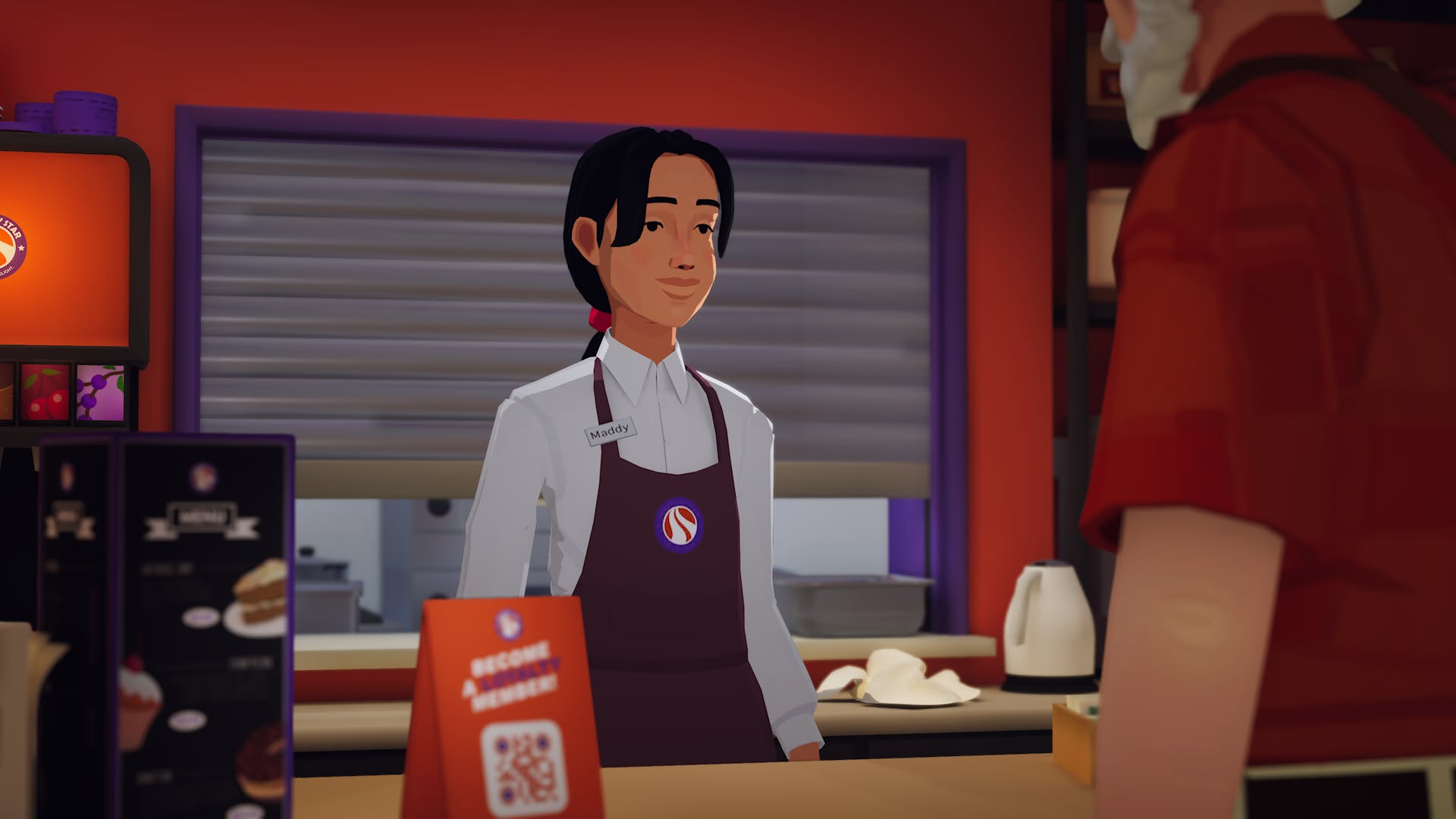
Rather than chasing photorealism, Forever Ago embraces a warm, stylized presentation that gives the world its own personality. The colors, lighting, environments, and character designs work together to create something that feels almost like an animated film.
The autumn scenery in particular is gorgeous. The warm oranges, deep reds, soft lighting, and peaceful natural environments create a sense of comfort and nostalgia.
Then you have the quieter indoor environments, the conversations, the ordinary places, and the everyday details that make the world feel lived in.
What impressed me is how much emotion can be communicated through something as simple as the atmosphere.
A rainy evening can feel lonely but strangely comforting. A peaceful outdoor setting can make you feel hopeful. A quiet moment between characters can communicate more than an extended conversation ever could.
The game understands that silence can be just as powerful as dialogue.
There were times when I simply wanted to take everything in rather than rush toward the next objective. That’s something I genuinely appreciate in games, especially when the environment contributes so much to the storytelling.
Not every game needs to keep you constantly occupied. Sometimes the best thing a game can do is give you room to think.
More Than Just Gameplay
If you’re someone who measures the quality of a game entirely by how much action it has, how difficult its mechanics are, or how many hours of content you can squeeze out of it, Forever Ago might not be what you typically look for.
But I think approaching this game with that mindset would mean missing what makes it so special.
For me, the experience was never about rushing through objectives or reaching the ending as quickly as possible.
It was about the journey itself.
The exploration, the smaller interactions, the environments, and the moments of reflection all contribute to something much bigger than the individual gameplay elements.
I enjoyed having the opportunity to slow down and become invested in the experience rather than feeling like I was constantly being pushed toward the next big event.
There’s a certain confidence in a game that allows its story and atmosphere to carry the experience.
And personally, I found that refreshing.
 Finding Yourself Again
This was probably the most meaningful part of the entire experience for me.
At its heart, Forever Ago is about something I think almost everyone can relate to at some point in their lives: losing a part of yourself and trying to figure out how to get it back.
Sometimes life changes us in ways we never expected.
We lose people. Relationships change. Dreams fall apart. Opportunities disappear. We make mistakes, experience regret, and carry memories that can be both comforting and painful.
Eventually, there may come a point where you look at yourself and wonder what happened to the person you used to be.
How do you move forward when so much of who you are feels connected to something that no longer exists?
How do you allow yourself to be happy again without feeling like you’re leaving something important behind?
And how do you rediscover your purpose when the future looks nothing like the one you originally imagined?
These are difficult questions, and I appreciated that the game doesn’t treat them as problems with simple answers.
Instead, it explores the idea that moving forward doesn’t mean forgetting.
You can carry your memories, your love, your regrets, and your experiences with you while still allowing yourself to grow.
The person you were yesterday doesn’t have to define the person you become tomorrow.
Sometimes finding yourself again doesn’t mean returning to who you used to be. It means discovering who you are now, accepting everything you’ve experienced, and finding the courage to embrace whatever comes next.
That message really resonated with me.
The Importance of Hope
For all the sadness and difficult emotions woven throughout the experience, I never felt that Forever Ago was simply trying to make the player miserable.
Quite the opposite.
I think its greatest strength is the way it uses those difficult emotions to make the moments of hope feel that much more important.
Happiness means something different when you’ve experienced sadness.
Companionship feels different when you’ve experienced loneliness.
And the courage to keep moving forward becomes so much more meaningful when you’ve experienced moments where giving up would have been easier.
The game reminds us that even when life feels overwhelming, there are still beautiful things worth experiencing.
There are still people worth meeting, places worth seeing, conversations worth having, and memories waiting to be made.
Sometimes all it takes is allowing yourself to take that first step.
My Final Thoughts
I absolutely loved Forever Ago.
It’s not often that I finish a game and find myself thinking more about the emotional journey than the actual gameplay, but that’s exactly what happened here.
This experience took me through happiness, sadness, hope, desperation, frustration, anger, and ultimately a sense of understanding and appreciation.
It reminded me that life is complicated, that people are complicated, and that healing isn’t always a straight line.
Most importantly, it reminded me that there’s tremendous strength in simply continuing forward.
I loved the visual presentation, the atmosphere, the emotional storytelling, the people encountered throughout the journey, and the way the game encourages you to appreciate the smaller things in life.
There is something incredibly special about a game that can make you stop and reflect on your own experiences without feeling like it’s lecturing you or telling you how to feel.
It simply presents a journey and allows you to connect with it in your own way.
And I think that’s what makes Forever Ago so memorable.
We all have things in our lives that we wish we could change. We all have memories that bring us happiness and others that bring us pain. We all experience moments where we question ourselves, our decisions, and the direction our lives are heading.
But the beautiful thing about life is that our stories aren’t finished simply because one chapter ends.
There are still pages left to write.
Forever Ago is a beautiful reminder that while we cannot change the past, we can still find meaning, purpose, happiness, and even ourselves in the future.
It’s a game about loss, but also about living. About sadness, but also about joy. About remembering what was, while learning to appreciate what still can be.
And sometimes, that’s exactly the kind of story we need.
Final Rating: 5/5 – An unforgettable emotional journey that I wholeheartedly recommend to anyone who appreciates meaningful storytelling, beautiful artistic direction, and games that leave you with something to think about long after the credits roll.
Some journeys aren’t about where you’re going. They’re about rediscovering who you are along the way.